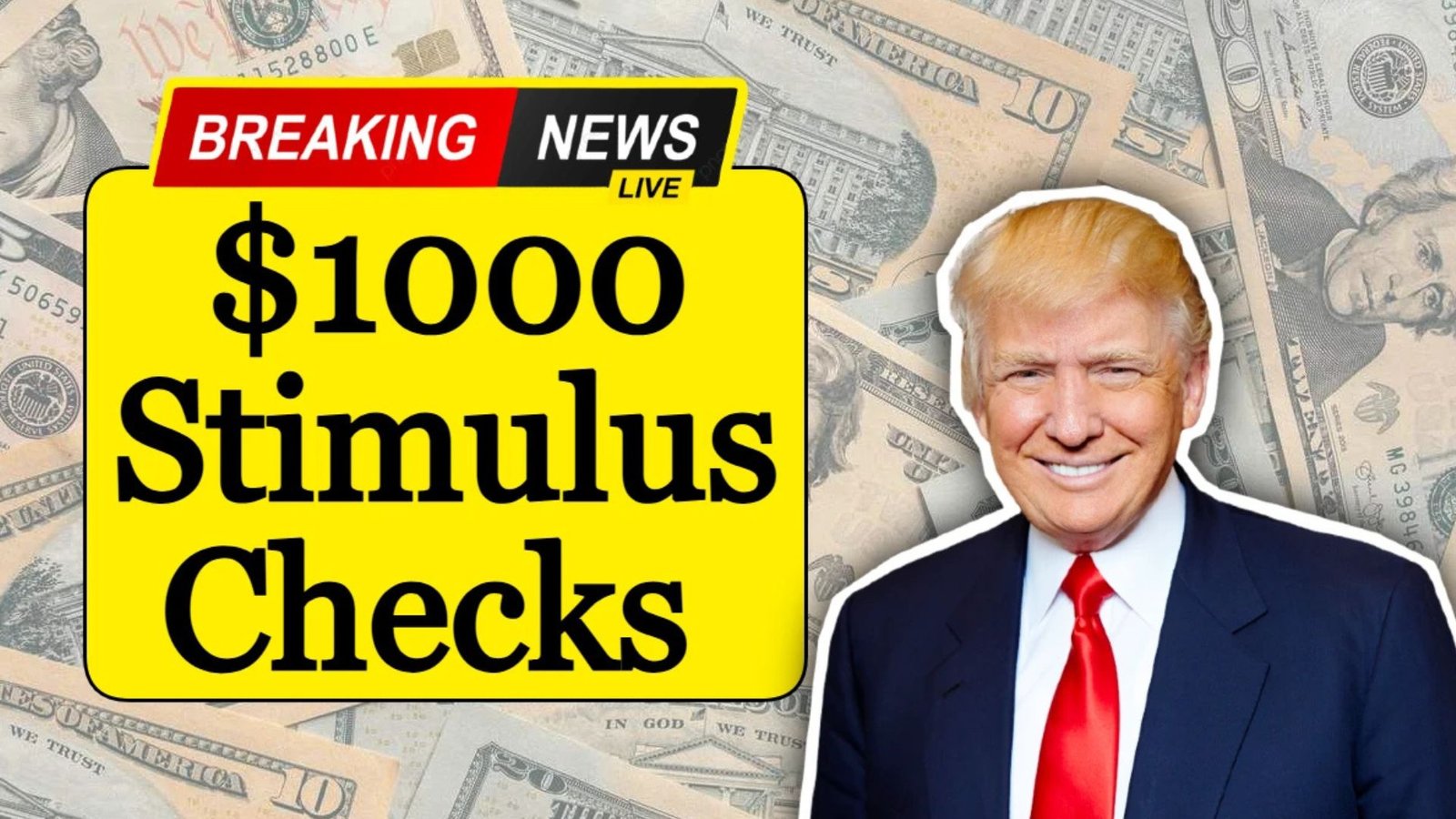
Struggling with higher prices for rent, groceries, or bills as the holidays approach? You’ve probably seen viral videos and social media posts promising $1,000 stimulus checks from the IRS in late 2024 or early 2025—a quick cash boost to ease money worries for seniors, disabled folks, and everyday families. These claims sound like a lifeline, echoing the pandemic relief that helped millions back in 2020-2021. But here’s the straightforward truth: As of November 22, 2025, no such $1,000 federal stimulus program exists or is planned.
The IRS has firmly denied these rumors, calling them misinformation often spread through fake AI-generated videos. Instead of chasing ghosts, let’s focus on what’s real—like unclaimed pandemic credits up to $1,400 or state rebates. In this no-nonsense guide, we’ll break down the rumors, explain why they’re false, and share practical federal aid options with eligibility, timelines, and steps to claim them. Stay informed, avoid scams, and get the help you actually deserve.
The Origin of the $1,000 Stimulus Check Buzz: Social Media Myths Exposed
The hype kicked off in mid-2024 when edited videos went viral on platforms like Facebook and TikTok. These clips claimed the IRS was rolling out a “New Stimulus Checks” program, depositing $1,000 directly into bank accounts for those hit by inflation. One popular video, viewed millions of times, twisted a June 2023 CBS News story about credit card debt into “proof” of upcoming payments. Fact-checkers like TrueMedia.org confirmed it was manipulated—fake audio and visuals created with AI to grab attention and drive clicks.
Why does this spread so fast? Financial stress is real: Prices for basics like food and gas have jumped 25% since 2020, leaving many desperate for relief. Scammers exploit that, promising easy money to steal personal info. The IRS has repeatedly warned: No new stimulus rounds beyond the three from 2020-2021 ($1,200, $600, and $1,400). Without Congress approval, nothing’s happening. Bottom line: These rumors create false hope and distract from legitimate aid. Always verify on IRS.gov—it’s your best defense.
Why These $1,000 Checks Are False: Official IRS Stance and Fact-Check
The IRS couldn’t be clearer: There is no $1,000 stimulus program in 2025, and no payments are scheduled. In official statements, they emphasize relying on verified sources, not social media. The rumored “eligibility” for seniors, retirees, or disabled people? Unsubstantiated—it’s a generic hook to lure viewers. Payment dates like “December 2024” or “direct deposit by January”? Made up, with no backing from government announcements.
Fact-check sites like Snopes and FactCheck.org have debunked similar claims, tracing them to traffic-generating blogs or scam sites. During the real pandemic aid, the IRS sent over 476 million payments totaling $814 billion—no repeats without legislation. Current federal focus? Tax credits like the Earned Income Tax Credit (EITC) or Child Tax Credit (CTC), not new checks. If rumors persist, it’s often tied to state programs (like Alaska’s $1,300 dividend), mislabeled as federal.
Rumor vs. Reality Table
This quick table compares the hype to facts—use it to spot fakes fast.
| Rumor Claim | Reality According to IRS | Why It’s Misleading |
|---|---|---|
| $1,000 checks for everyone soon | No program exists; denied officially | Based on edited videos from 2023 news |
| Eligibility: Seniors/disabled | No criteria—rumor only | Copies old stimulus rules without basis |
| Payment: Direct deposit Dec 2024 | No dates or methods confirmed | Aims to create urgency for scams |
| Purpose: Fight inflation | Real aid via COLA (2.5% SSA raise) or credits | Ignores existing programs like EITC |
| How to Claim: Click link | No claims needed—scam red flag | Leads to phishing sites stealing info |
Real Federal Aid Alternatives: What You Can Actually Get in 2025
No $1,000 checks, but solid options exist. The IRS still processes unclaimed 2021 stimulus (up to $1,400 per person + $500/kid)—file your 2024 taxes by April 15, 2025, to claim. Other boosts: 2.5% COLA for Social Security (adds $49/month average) and EITC (up to $7,430 refund for low-wage workers).
Top Real Aid Programs Table
Here’s what’s available—no rumors, just facts.
| Program | Amount (Max) | Who Qualifies (Basics) | Claim Deadline/Timeline |
|---|---|---|---|
| Unclaimed 2021 Stimulus | $1,400/person + $500/kid | Income under $75K single/$150K joint; filed 2021 taxes | File 2024 return by April 15, 2025 |
| Earned Income Tax Credit (EITC) | Up to $7,430 | Low-wage workers/families with kids; under $63K income | 2024 taxes (filed 2025) |
| Child Tax Credit (CTC) | Up to $2,000/kid | Parents with kids under 17; partial refundable | Same as EITC; advance payments ended |
| Social Security COLA | +2.5% (~$49/month) | Current recipients (retirees, disabled) | Automatic January 2025 |
| SSI/SSDI Boost | Up to $967/month | Low-income elderly/disabled | Apply anytime at ssa.gov |
These reach millions—e.g., EITC lifted 5.6 million from poverty last year.
How to Claim Real Aid: Simple Steps to Avoid Delays
For unclaimed stimulus:
- File 2024 Taxes: Use IRS Free File (under $79K income)—add Recovery Rebate Credit.
- Update Info: SSN, bank on IRS.gov for direct deposit.
- Track: “Get My Payment” tool—21 days processing.
- For SSI/SSDI: Apply at ssa.gov—3-5 months approval.
Scam tip: IRS mails letters, never texts for info—report to IRS.gov.
Conclusion
The $1,000 stimulus check rumors for 2025 are just that—unfounded hype from manipulated videos and social media, firmly debunked by the IRS with no program in sight. Instead of waiting for false promises, tap into real federal lifelines like unclaimed $1,400 credits, EITC refunds up to $7,430, or the 2.5% Social Security COLA adding $49 monthly. By filing taxes by April 2025, updating your info on IRS.gov, and verifying via official tools, you can secure aid that truly helps with bills and basics. In an era of steady price rises, knowledge beats rumors—stay scam-smart, apply now, and build real stability. If eligible, this support is yours for the claiming—head to IRS.gov today and take control. Share this to protect a friend from the misinformation trap.